
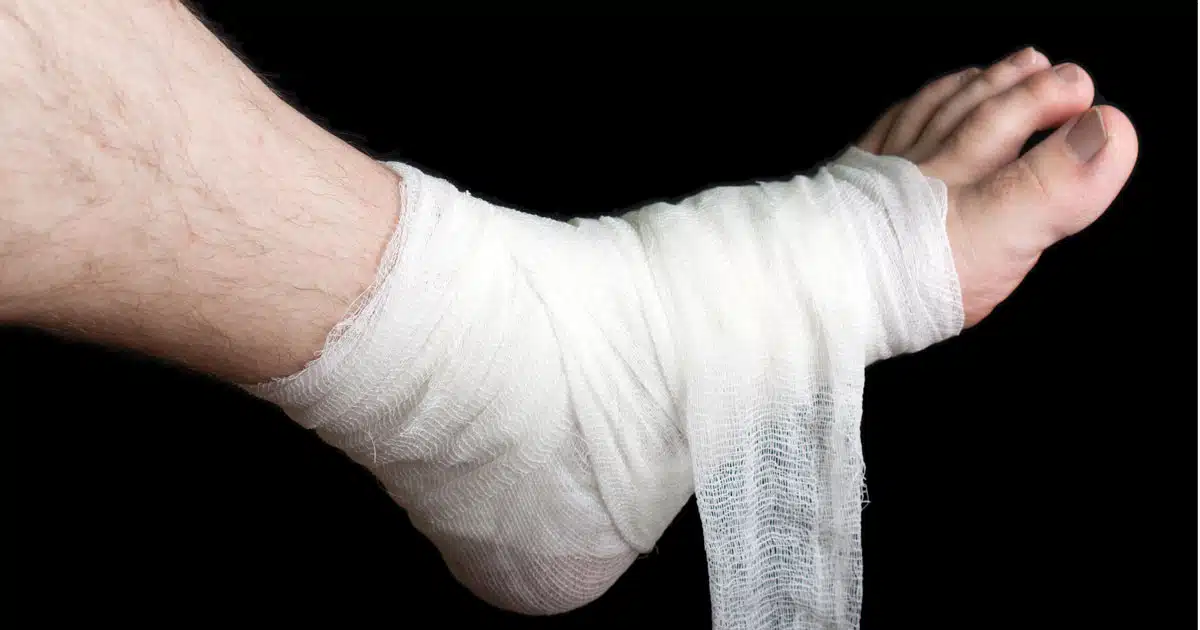
When you are working on a construction site, your feet are susceptible to serious injuries. You are always on your feet if you are a construction worker. Most often, the only time you sit is during lunch breaks. That is why foot safety is so important on a construction site. If an injury to your foot prevents you from standing for prolonged periods of time, then you will not be able to do your job efficiently and safely.
A foot injury may have difficulty healing if you are on your feet all the time at work. For this reason, workers with foot injuries will not be able to work while they heal. Every time you put weight on an injured foot, you risk injuring it again and causing additional problems. Foot injuries are often painful and difficult to heal.
Footwear Requirements To Prevent Injuries on Construction Sites
The Occupational Safety and Health Administration (OSHA) has rules in place to help prevent workplace injuries, including those involving feet:
- Workers must wear safety shoes when working in locations where there is a risk of slipping and falling or objects piercing the sole.
- Protective footwear must meet ANSI Z4 or have equivalent design requirements. All ANSI-approved shoes provide impact and compression protection. However, the level and sort of protection may not always be the same. Different footwear protects users in various ways. Make sure to review the footwear label.
- Shoes or boots may need to have special electrical-conductivity insulation or other non-conductive protective material to prevent electrical shock.
- Chemical-resistant boots may be required to protect against caustic, reactive, toxic, or corrosive substances during cleaning or surface preparation.
- Slip-resistant shoes should always be worn in any construction or production facility environment, especially if the worker will be in icy or rainy weather.
Many construction work settings require boots with toe caps and puncture-proof soles. Non-slip soles, chemical-resistant materials, insulation, or other protective features may be needed in your profession. Ensure the shoes comply with the required safety standards.
Most Common Foot Injuries in the Construction Industry
According to the Bureau of Labor Statistics (BLS), approximately 60,000 foot injuries occur each year, resulting in employees missing time from work. On average, these injuries result in up to 5 days of missed work and up to $600 million in lost production.
With so many bones, muscles, ligaments, and tendons in the feet, there are many injuries that can occur in the construction industry. The most common foot injuries in the construction industry include:
- Broken bones
- Puncture wounds
- Amputation of toes or feet
- Foot sprain
- Burns
- Cuts and lacerations
- Hypothermia
- Bunions and fallen arches
- Electrical shock
There is also the possibility of multiple injuries to the feet. You may see this if a worker has a catastrophic workplace accident. For example, suppose a construction worker’s foot is severely damaged by heavy machinery. If this happens, the worker will likely suffer from many different types of injuries, including broken bones, lacerations and cuts, puncture wounds, crushing injuries, or even amputation.
Common Causes of Construction-Related Foot Injuries
If you know what causes foot injuries in the construction industry, then you might be able to prevent one from happening on the job. You can put procedures, rules, and systems in place to help prevent foot injuries. OSHA has identified six common work-related foot injuries and causes:
- Broken bones: Crushed or broken injuries due to falling objects, moving vehicles, and being trapped or caught in between objects.
- Puncture injuries: Punctures of the sole are caused by loose nails, sharp metal, or glass objects. Puncture wounds can easily get infected if not treated promptly. You can even get tetanus from a puncture injury.
- Cuts and lacerations: Cuts and scrapes of the feet can be caused by chainsaws, rotary mowers, and unguarded or improperly guarded heavy machinery.
- Burns: Foot-related burn injuries are caused by splashing molten metal, chemical spills, contact with fire, and flammable or explosive materials.
- Electrical shock: Electrical shock is caused by static electricity, contact with sources of electricity, including exposed hot wiring or wiring that is not grounded correctly.
- Sprains: Sprains can occur in slip-and-fall accidents. You could slip and fall on scaffolding or from wearing improper footwear.
If you have been injured at work, you may be entitled to Workers’ Compensation benefits. It is essential to report your accident and injury as soon as it happens. It is also critical to get immediate medical attention and keep your records. This will help link your foot injury to the accident. If there is a problem with your claim, a Workers’ Compensation lawyer may be able to help. They will fight to protect your rights.
Rhoades & Morrow Represents Construction Workers Who Have Been Injured
If you have a severe foot injury from a workplace accident and need help with a claim, our construction accident lawyers at Rhoades & Morrow can advise you on the following steps to take. Contact us online to schedule a free consultation. We have offices in Wilmington, Bear, Milford, and Lewes, Delaware. With offices in all three counties of Delaware, we serve clients throughout the state.