
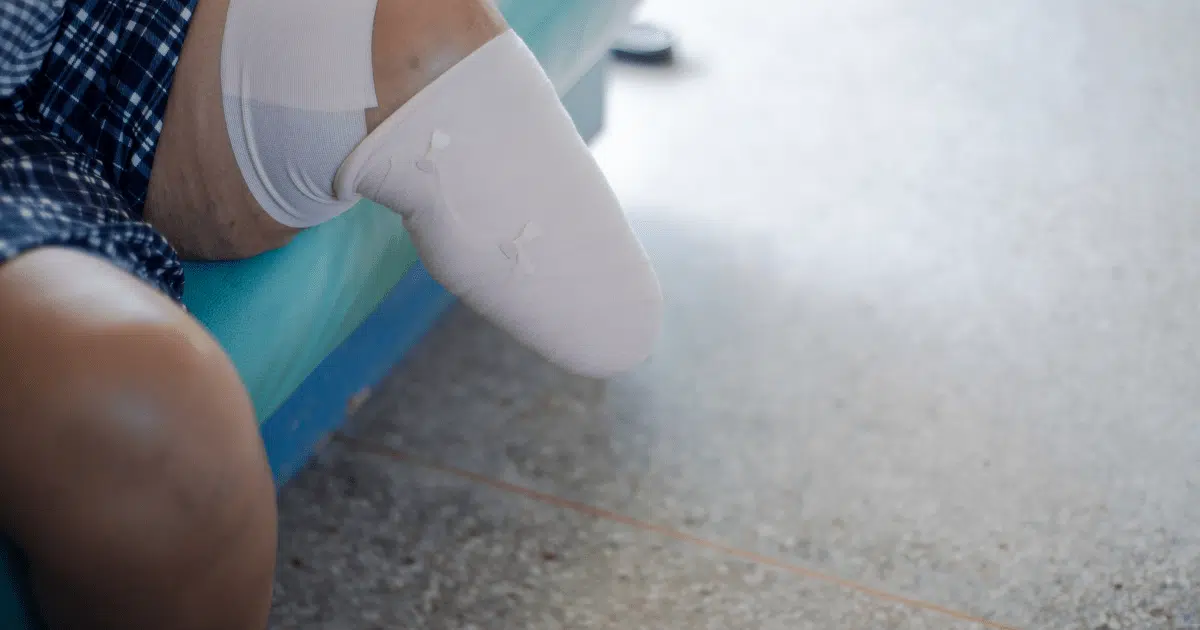
Losing a body part in a car accident is devastating. However, with a caring support team and rehabilitation, the injured person can begin to heal. According to the National Limb Loss Information Center, there are about 1.7 million people who are living with limb amputations in the United States. There are several reasons why someone has a limb amputated, such as cancer, diabetes, or vascular disease. However, according to the National Limb Loss Information Center, car accidents cause almost 45 percent of all amputation injuries.
If you have an amputation injury that was caused by a car accident in Delaware, you may have legal options. It is essential to consult an experienced car accident lawyer if a negligent driver caused your catastrophic injury.
Why Is Amputation Sometimes Necessary?
Although the loss of a limb may happen in a car accident, other reasons can lead to an amputation following a collision. It is important to remember that amputations are generally rare. A doctor may decide it is necessary to amputate a body part because of the following:
- Risk of infection: With an amputation, there is a risk of infection. There is dirt, debris, and chemicals that could get into the injured area. To prevent the disease from spreading, the doctor may recommend amputating the infected part.
- Lacerations: In a car accident, a person may suffer a laceration so deep that it mangles bones or nerves to the point that the body part is irreparable.
- Crush injuries: These injuries happen when sheer force from either impact or the weight of an object crushes muscles and bones. To prevent more harm, a doctor could recommend amputating the affected part.
What Complications Could Happen?
Not only can an amputee suffer from long-term psychological issues and mounting medical bills, but there are health complications that could occur, such as:
- Phantom limb: A common complication after amputation. Some patients suffer phantom limb pain. The person may feel pain or sensations in the area where the leg or arm was amputated.
- Necrosis: This occurs when surrounding tissues die and become gangrenous.
- Muscle weakness: When a limb is lost, the surrounding muscles have to compensate, leading to weakness or stiffness.
- Deep vein thrombosis: This occurs when an amputee is immobilized for an extended period, increasing the risk of a blood clot.
One of the major complications is the psychological damage that will likely occur, which can be lifelong. Reliving the moment might happen because losing a limb is traumatic, which could lead to post-traumatic stress disorder (PTSD).
The sudden adjustment to a life without a limb can be distressing for anyone. Amputees also require expensive prosthetic equipment, medications, and physical therapy, and may need additional surgery, all of which could cause more depression and anxiety.
What Are Possible Therapies after Amputation?
The road to healing after an amputation will be long and arduous, but you will not go through it alone. After the initial surgery, amputees might need time to recover in the hospital for a few weeks, with the amputated area likely elevated to reduce swelling. The healing will continue when the patient returns home, as it could take four to eight weeks for the surgical wound to heal completely. A properly healed wound will help when fitting for a prosthetic.
An amputee patient will likely receive treatment in the form of the following:
- Physical therapy
- Occupational therapy
- Counseling or psychological treatment
- Rehabilitation services
When the patient returns home, rehabilitation will likely start after a few days. An occupational therapist may even come to the home and suggest installing handicap equipment to help with the adjustment, such as a wheelchair ramp or wider doorways. The doctor will likely prescribe medications, including some for pain management and others to prevent infection. The patient will likely be assigned a medical team to monitor them, and the team will adjust treatments, rehabilitation, or medications to ease the transition.
Physical therapy focuses on strengthening the muscles around the amputation site. If a prosthetic is prescribed, rehabilitation services, including physical therapy, will help the patient adjust. Daily exercises will likely be prescribed as well to help the patient adapt to a new routine.
Psychological therapy will be just as crucial because losing a limb is traumatic. The amputee must be upfront and open with their rehabilitation team.
Rhoades & Morrow Helps Clients Who Have Accident-Related Amputation Injuries
Although amputation injuries are common, they are devastating. If you have an amputation injury that was caused by a car accident, you may need a legal advocate on your side. The lawyers at Rhoades & Morrow can help you explore your legal options. We are located in Wilmington, Newark, Milford, and Lewes, serving clients throughout Middletown, Dover, Milford, Lewes, Rehoboth, Elsmere, and Seaford. Contact us for a free consultation.