
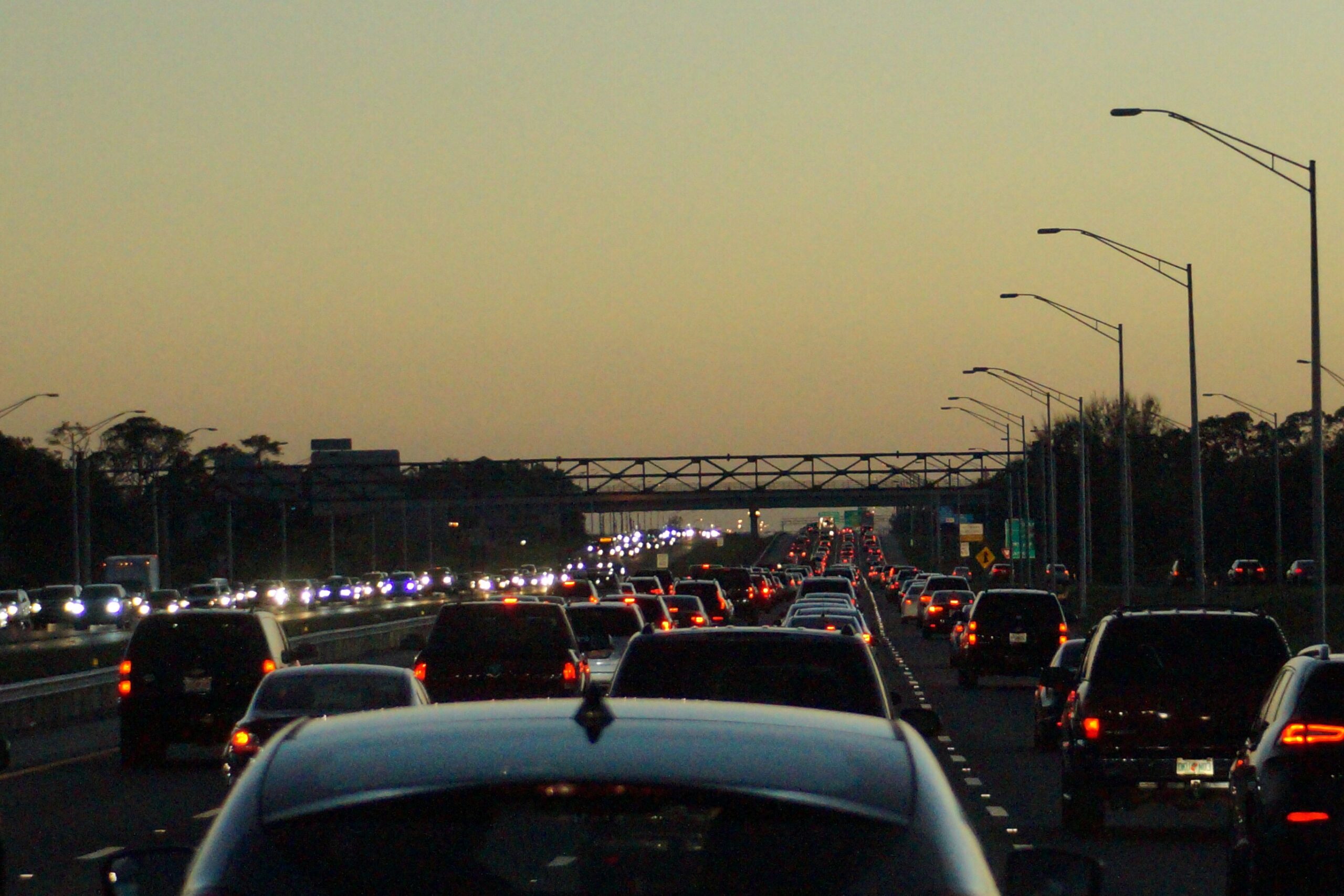
A recent Delaware Online report highlighted a troubling trend on Delaware roads: traffic deaths are rising in 2026. State traffic fatality data shows that Delaware has already seen more roadway deaths this year than it had at the same point in 2025.
For families, these numbers are not just statistics. Each fatal crash represents someone who did not make it home, loved ones left with questions, and a legal process that can become confusing very quickly.
After a serious or fatal motor vehicle accident, the first priority is always medical care, safety, and family support. But once the immediate emergency has passed, it is also important to understand what may come next. Crash investigations, insurance claims, medical bills, lost income, and potential personal injury or wrongful death claims can all become part of the aftermath.
At Rhoades & Morrow, we understand that no legal claim can undo the harm caused by a serious crash. But when negligence contributes to a fatal or life-changing collision, families deserve clear answers, careful guidance, and a fair opportunity to pursue accountability.
Delaware’s 2026 Traffic Fatality Numbers Raise Serious Concerns
According to the Delaware Office of Highway Safety, traffic deaths in Delaware are ahead of last year’s pace. The state’s fatal crash summary compares year-to-date traffic deaths from 2025 and 2026 and shows an increase in total fatalities.
The people killed in these crashes include drivers, passengers, pedestrians, motorcyclists, bicyclists, and other roadway users. Fatal crashes have occurred across New Castle, Kent, and Sussex counties.
These numbers may change as investigations are completed, but the trend is still important. More fatal crashes mean more Delaware families facing sudden loss, serious financial strain, and difficult legal questions.
Serious Crash Cases Often Require Careful Investigation
After a fatal or catastrophic crash, the cause may not be clear right away. Early reports may identify where the crash happened and who was involved, but they do not always explain why it happened.
A serious crash investigation may involve questions such as:
- Was the driver speeding?
- Was distracted driving involved?
- Did alcohol or drugs contribute to the collision?
- Were traffic signals, signs, or roadway conditions a factor?
- Was a commercial vehicle, employer, or other company involved?
- Was the vehicle properly maintained?
- Were pedestrians, bicyclists, or motorcyclists placed at increased risk by another driver’s conduct?
- Is there video footage from nearby businesses, homes, traffic cameras, or dash cameras?
- Are witness statements available and preserved?
These details matter because they can affect whether an injured person or the surviving family may have a legal claim. They can also affect which parties may be responsible.
In some cases, fault may involve more than one person or company. A crash may involve a negligent driver, an employer, a vehicle owner, a government entity responsible for roadway maintenance, or another party whose conduct contributed to the collision.
What Families Should Do After a Serious or Fatal Delaware Crash
No family is prepared for the aftermath of a devastating accident. It is normal to feel overwhelmed, especially when medical providers, insurance companies, police investigators, and bills all become part of the process at once.
When possible, families should take practical steps to protect themselves and preserve important information.
1. Get Medical Care and Follow Treatment Instructions
For injured crash victims, medical care should come first. Some injuries are obvious immediately. Others may become more serious in the hours or days after the crash.
Following treatment instructions also creates a clear record of the injuries, symptoms, and recovery process. That record may become important if an insurance claim or legal case develops.
2. Keep Crash-Related Documents Together
Families should try to save copies of documents related to the crash, including:
- Police reports
- Medical bills
- Hospital discharge papers
- Insurance letters
- Vehicle repair or total loss documents
- Photos or videos from the scene
- Funeral or burial expenses, when applicable
- Pay stubs or employment records showing missed work
- Any written communication from insurance companies
Keeping these records organized can make it easier to understand the full impact of the crash.
3. Be Careful With Insurance Company Statements
Insurance companies may contact injured people or grieving family members soon after a crash. They may ask for a recorded statement, request medical authorization forms, or discuss settlement.
Families should be cautious. An early statement may be incomplete. A quick settlement offer may not account for future medical care, long-term disability, lost income, funeral expenses, or the full impact of the loss.
Before signing anything or accepting a settlement, it is often wise to speak with an attorney who can review the situation and explain what the claim may involve.
4. Preserve Photos, Videos, and Witness Information
Evidence can disappear quickly after a crash. Vehicles may be repaired or destroyed. Skid marks may fade. Surveillance footage may be deleted. Witnesses may become harder to locate.
If it is safe and possible, families should preserve:
- Photos of the vehicles
- Photos of the roadway, intersection, or crash scene
- Weather and lighting conditions
- Names and contact information for witnesses
- Dash camera or doorbell camera footage
- Communications from anyone involved in the crash
An attorney may also be able to send preservation letters to help prevent key evidence from being lost.
5. Understand That the Legal Process Is Separate From the Police Investigation
A police investigation can be very important, especially after a fatal crash. However, the criminal or traffic investigation is not the same as a civil personal injury or wrongful death claim.
A driver may face criminal charges, traffic citations, or no charges at all. That does not automatically determine whether a civil claim exists. Civil claims focus on whether negligence caused harm and whether injured people or surviving family members may be entitled to compensation under Delaware law.
When a Serious Crash May Lead to a Personal Injury Claim
A personal injury claim may arise when someone is injured because another person or party failed to use reasonable care. In motor vehicle cases, this may involve conduct such as speeding, distracted driving, impaired driving, reckless driving, failing to yield, following too closely, or ignoring traffic signals.
A personal injury claim may seek compensation for losses such as:
- Emergency medical care
- Hospitalization
- Surgery
- Physical therapy
- Future medical treatment
- Lost wages
- Reduced earning ability
- Pain and suffering
- Permanent injuries
- Disability or loss of mobility
Every case depends on the facts. The severity of the injuries, available insurance coverage, evidence of fault, and long-term prognosis can all affect the value and direction of a claim.
When a Fatal Crash May Lead to a Wrongful Death Claim
When a person dies because of another party’s wrongful act, neglect, or default, Delaware law may allow surviving family members to pursue a wrongful death claim.
A wrongful death claim is not about placing a dollar value on a person’s life. It is a civil claim meant to address the financial and personal losses caused by the death. Depending on the circumstances, a claim may involve funeral expenses, lost financial support, loss of household services, and the emotional impact on surviving family members.
Delaware law identifies who may benefit from a wrongful death action, including certain close family members. Because these cases can involve both emotional and legal complexity, families should get guidance before making decisions with insurance companies or other parties involved in the crash.
Why Timing Matters After a Delaware Crash
There are legal deadlines for filing personal injury and wrongful death claims in Delaware. Waiting too long can affect the ability to bring a claim, even when the underlying case is strong.
Timing also matters because evidence can be lost. The sooner an investigation begins, the easier it may be to preserve crash evidence, identify witnesses, request video footage, inspect vehicles, and understand the full picture of what happened.
That does not mean families need to rush into a lawsuit immediately after a tragedy. It does mean they should avoid waiting until evidence is gone or deadlines are approaching.
Delaware Roads Require Shared Responsibility
The rise in Delaware traffic deaths is a reminder that roadway safety depends on the choices of drivers, pedestrians, bicyclists, motorcyclists, businesses, and public agencies.
Drivers can reduce risk by slowing down, avoiding distractions, never driving impaired, watching for pedestrians and motorcycles, and using seat belts. But when someone ignores those responsibilities and causes serious harm, the legal system may provide a way for victims and families to seek accountability.
Talk With a Delaware Personal Injury Lawyer After a Serious Crash
A serious crash can leave families with medical bills, insurance questions, lost income, grief, and uncertainty about what to do next. You do not have to sort through those issues alone.
Rhoades & Morrow represents people injured in serious motor vehicle accidents and families affected by fatal crashes in Delaware. Our attorneys can help you understand your options, protect important evidence, and deal with the insurance process.
If you or your family has been affected by a serious crash in Delaware, contact Rhoades & Morrow to speak with a Delaware personal injury attorney.