
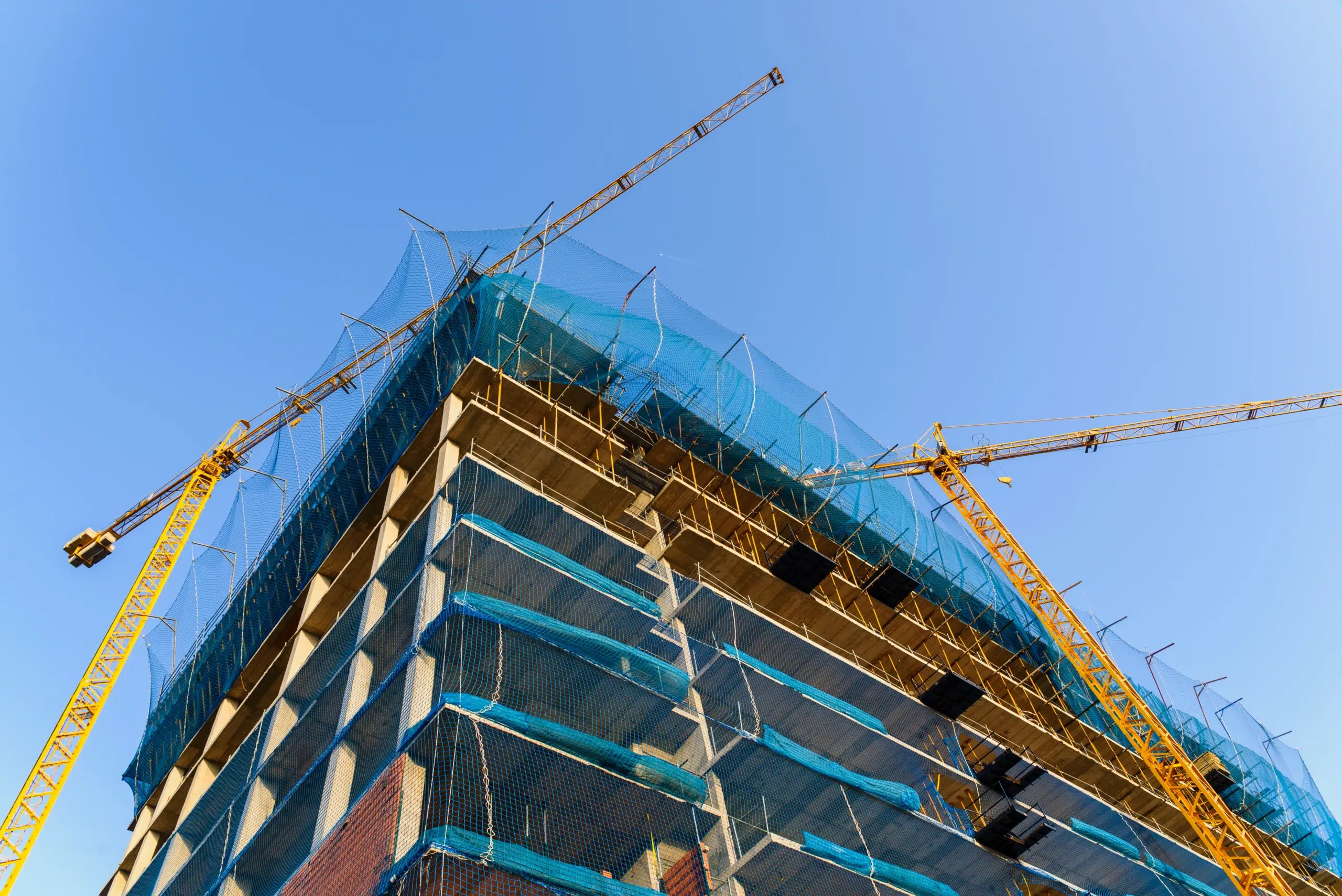
Construction Accidents Are Rarely Simple
Construction sites are some of the most dangerous workplaces in Delaware.
When a serious injury happens, the first question is usually immediate and practical: “Who is legally responsible for this?”
The answer depends on how the injury happened, who controlled the worksite, and whether someone other than your direct employer played a role. Delaware law allows for multiple layers of liability, and understanding those layers can make a significant difference in the compensation available.
1. Your Employer: Workers’ Compensation Is Usually the Starting Point
If you’re injured while working on a construction site, your direct employer’s workers’ compensation insurance is typically the first source of benefits.
What workers’ comp covers
- Medical treatment related to the injury
- Partial wage replacement while you’re unable to work
- Permanent impairment or disability benefits, if applicable
Workers’ compensation is a no-fault system, meaning you don’t have to prove your employer did anything wrong to receive benefits. In exchange, Delaware law (19 Del. C. § 2304) generally prevents you from suing your employer for negligence related to the injury.
This is where many cases end, but not all of them should.
2. General Contractors: Control Creates Responsibility
On many construction projects, the general contractor (GC) is responsible for overall site safety, scheduling, and subcontractor coordination, and must operate in accordance with OSHA guidelines.
Under Delaware law, a general contractor may be liable if:
- It retained control over the worksite or safety practices, and
- Its failure to maintain safe conditions contributed to the injury.
Courts often focus on who had the right to control the work and the premises, not just who employed the injured worker. If a GC controlled safety protocols, equipment placement, or work sequencing, liability may extend beyond workers’ comp.
3. Subcontractors: When Another Trade Creates the Hazard
Construction sites are shared spaces. If a different subcontractor caused or contributed to the dangerous condition, such as:
- leaving debris or unsecured materials,
- improperly installing scaffolding,
- creating electrical or fall hazards,
that subcontractor may be liable through a third-party personal injury claim, even though you were not their employee.
These claims exist outside the workers’ compensation system and can allow recovery for:
- full lost wages,
- pain and suffering,
- future earning loss,
- and other damages not available under workers’ comp.
4. Property Owners: Limited, but Not Automatic, Immunity
Property owners are not automatically responsible for construction injuries, but liability can arise if the owner:
- retained control over the work,
- actively interfered with construction methods, or
- knew of dangerous conditions and failed to address them.
Delaware courts distinguish between passive ownership and active involvement. When an owner goes beyond simply hiring contractors, liability exposure increases.
5. Equipment Manufacturers and Suppliers
If a construction injury involves defective or unsafe equipment, liability may extend to:
- equipment manufacturers,
- distributors,
- or rental companies.
Examples include:
- malfunctioning lifts or cranes,
- defective power tools,
- faulty safety harnesses or ladders.
These are typically products liability claims, separate from workers’ comp, and often require prompt investigation to preserve evidence.
6. Why Workers’ Comp Isn’t Always “Enough”
Workers’ compensation provides essential benefits—but it has limits. It does not compensate for pain and suffering or full wage loss, and it often becomes more restrictive as time goes on.
That’s why identifying third-party liability matters. In many Delaware construction injury cases, workers’ comp is only one piece of the recovery picture.
When Liability Is Disputed, and It Often Is
Construction injury cases frequently involve:
- multiple insurers,
- finger-pointing between contractors,
- disputes over site control,
- and arguments about who was responsible for safety.
Waiting too long can result in lost evidence, missed deadlines, or limited recovery options.
When to Talk to a Lawyer
You should strongly consider legal guidance if:
- Your injury happened on a multi-employer construction site,
- Someone other than your employer caused the hazard,
- Safety rules weren’t enforced,
- Equipment failed,
- Or your workers’ comp benefits don’t reflect the seriousness of your injury.
These cases require coordination between workers’ compensation claims and potential third-party personal injury actions, and handling one incorrectly can affect the other.
Talk With Rhoades & Morrow
Rhoades & Morrow represents injured construction workers throughout Delaware. We evaluate all potential sources of liability, not just the workers’ comp claim, and we understand how to protect benefits while pursuing additional recovery when the law allows.
Free consultation. No upfront fees.