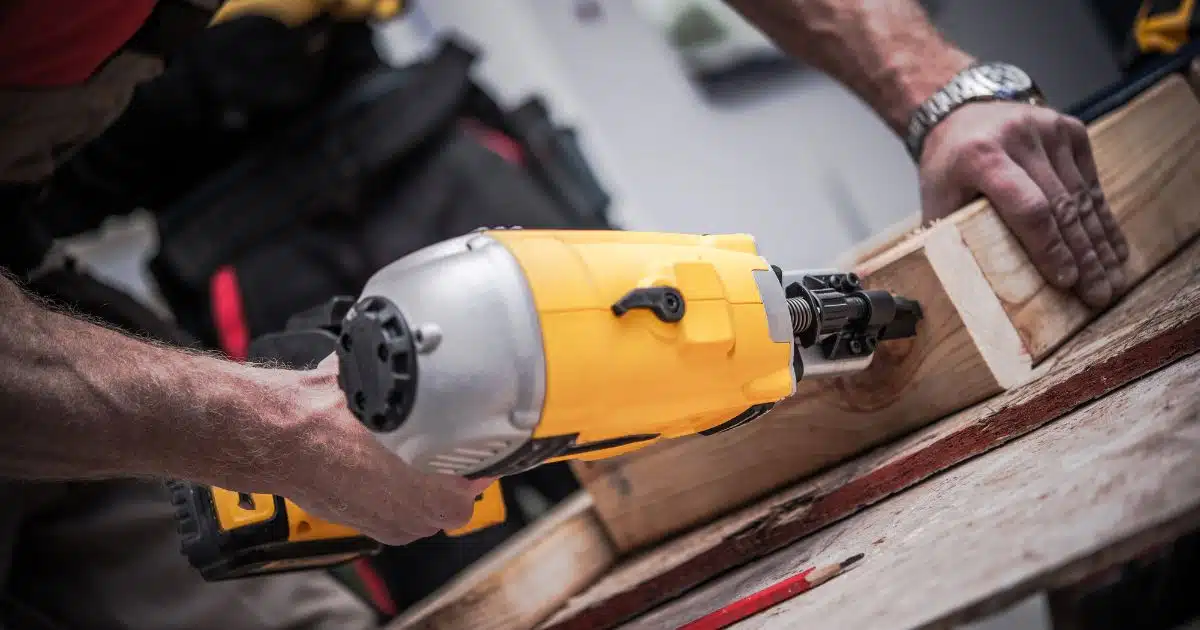
Nail guns are faster and more convenient than using hammers, and this is why these tools are used so often by carpenters and other workers on construction sites. All of that added power comes with more risks. According to the CDC, nail guns cause about 37,000 emergency room visits each year. More than half of these injuries are work-related, and the majority are hand and finger puncture wounds.
What Are the Most Common Causes of Nail Gun Injuries?
Nail guns drive fasteners through surfaces and are powered by electricity, air, or brushless motors. They fire with the quick pull of a trigger and are most often used for house framing, roof installation and repair, laying down floors, and home siding installation. These tools are easy to use, and this is why so many people do not undergo comprehensive training or even read the manuals. According to the CDC, the main causes of nail gun injuries include:
- A nail penetrates all the way through a piece of wood and into the body.
- A nail ricochets off a hard surface.
- Hitting the safety contact while the trigger is being squeezed – that causes nails to discharge unexpectedly.
- The nail gun discharges two nails when the trigger is pulled once. This is called “double fire.”
- The nail misses the workpiece and hits someone.
- The person using the gun is standing in the wrong position.
- The safety mechanism gets bypassed.
Types of Nail Gun Injuries
The majority of construction-related nail gun injuries happen to the upper part of the body. Puncture wounds from embedded nails might heal quickly, but they can still cause complications. Here is a list of common nail gun injuries that workers might experience:
- Dislocated fingers
- Electrical burns
- Eye injuries
- Fractured bones due to penetration
- Hearing problems
- Infected wounds
- Musculoskeletal injuries
- Nerve damage
- Tooth and gum injuries
Preventing Nail Gun Injuries
Employers and workers share responsibility for jobsite safety, and proper training and frequent safety checks can prevent many construction-related injuries. The Occupational Safety and Health Administration (OSHA) has shared the following safety tips for construction site nail gun use:
- Broken nail guns and injuries should be reported immediately.
- Employers can provide and require the use of PPE, like hard hats, hearing protection, gloves, steel-toed boots, and safety goggles.
- Nail gun safety training should cover loading, firing, operating the air compressor, checking for hazards, and placement.
- Nail guns should not be pointed or shot toward the body or others.
- Safety features should never be disabled.
- The complete sequential trigger mechanism should always be used.
- The unit should be disconnected when the nail gun is not being used.
Can I File a Worker’s Compensation Claim for a Nail Gun Injury?
If your nail gun injury is work-related, you can file a Workers’ Compensation claim with your employer. This insurance can provide monetary compensation to cover your medical costs and a portion of lost wages. The Workers’ Compensation system provides these benefits for work-related injuries, regardless of fault. Employees cannot sue employers for work-related injuries in these instances because the policies also protect them.
When the Workers’ Compensation provider delays or denies an employee’s claim, the claimant can challenge the decision. Claims are often turned down because of incorrectly filled-out paperwork, but there can be other reasons. If you believe that your claim was denied for the wrong reasons, it might make sense to contact an experienced Workers’ Compensation lawyer.
In other cases, third parties can be responsible for construction injuries. A few examples might include a company that manufactured a defective nail gun or posted the wrong directions for use.
What Should I Do if I Have a Work-Related Nail Gun Injury?
Construction sites typically have emergency protocols for work accidents, and those should always be followed. If immediate medical attention is required, call 911; otherwise, see a physician as soon as possible. You might be restricted to seeing certain doctors and facilities.
A supervisor should be informed about the situation right away, and forms will need to be filled out. See if anyone witnessed what happened, and when possible, snap photos of the accident scene and your injuries. Save all of your medical records, receipts, and any other costs related to the accident.
The Workers’ Compensation forms should be filled out carefully, without errors. There will be documents that must be included, and if you do not have them handy, get them quickly. Double-check your work before submitting everything, and record the date and time it was sent.
During your recovery, follow the doctor’s instructions, complete any required physical therapy, and take the medications. Failing to do any of these could compromise your benefits.
Rhoades & Morrow Helps Clients With Nail Gun Injury Claims in Delaware
A nail gun injury can cause significant pain and bodily harm. If you need help with your claim, contact the Delaware construction accident lawyers at Rhoades & Morrow for a free consultation. We have offices in Wilmington, Newark, Milford, and Lewes, serving clients throughout the state.