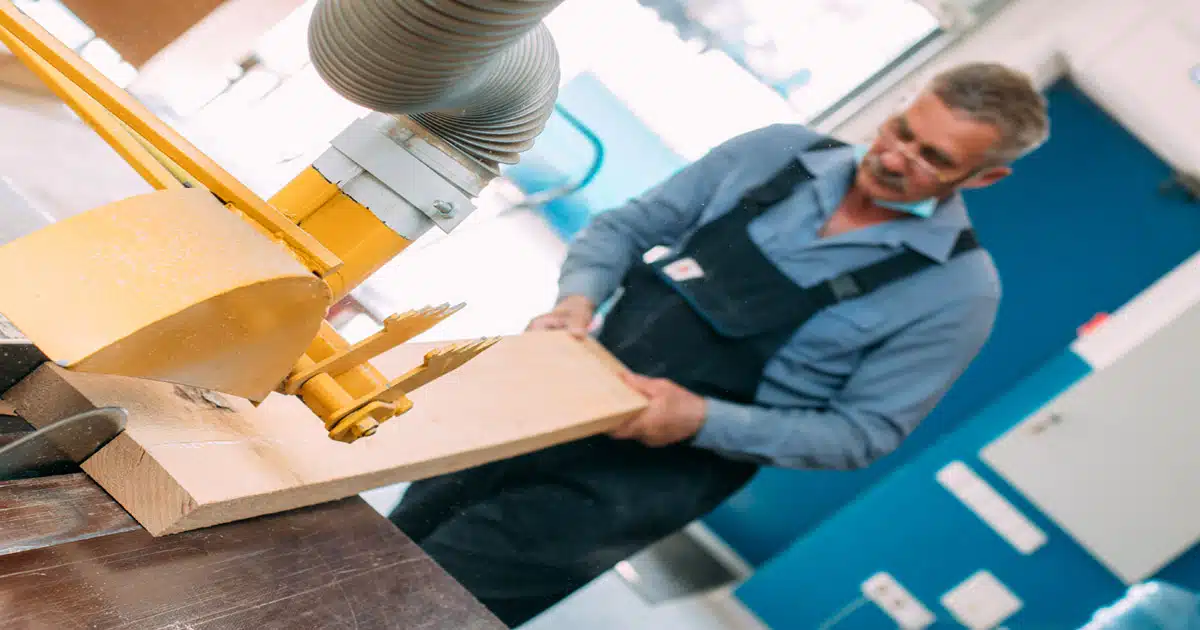
Carpenters can experience a wide range of workplace injuries. On a typical day, they may climb ladders, carry heavy wood, and operate hand tools such as saws, drills, hammers, nail guns, and sanders. To do their job safely, carpenters need training on how to use the tools of the trade properly, or risk serious injury. Many carpentry tools are manual, like the standard hammer. Yet, a mistake using a hammer can seriously injure the hand. An injury from a hand saw can cause severe lacerations, risking permanent damage to fingers and hands.
Many other carpentry tools are power-operated. Using these poses poses a significant risk of serious injury. The nail gun has made fast work of many carpentry tasks. If a nail gun is improperly loaded or misfires, it can project multiple nails in an unpredictable pattern at high speeds. This tool alone has caused many serious injuries to carpenters, including severe puncture wounds. The force of the nail being expelled is so strong that it can even penetrate bone. Staple guns pose similar hazards and have also caused serious injuries.
Using high-speed sanding belts can also be dangerous. They project dust and particles over a fair distance and have caused severe eye damage. Respiratory problems can also result from inhaling particles generated. Sander belts can snap off while being operated and can also result in serious injuries.
Most Common Carpenter Injuries
The most common injuries experienced by carpenters include:
- Lacerations: Cuts from tools can range from minor to so deep that they damage ligaments, tendons, muscles, and nerves.
- Amputations: Deep cuts that penetrate the bone from power saws may require amputation. The most common amputations involve the fingers.
- Back injuries: Muscle strains and herniated disks can result from poor lifting techniques and lead to chronic pain, weakness, and reduced range of motion. Falling accidents can cause broken backs and spinal cord injuries.
- Puncture wounds: Puncture wounds from nail guns are prone to infection and can cause sepsis, leading to structural damage or amputation. If a nail from a nail gun hits someone’s head, it can even penetrate the skull and damage the brain.
- Eye injuries: Particles generated primarily from sanding can cause eye injuries and even blindness.
- Lung disease: Exposure to inhaled dust particles can cause lung disease. If asbestos exposure happens, then mesothelioma can develop.
Preventing Injuries as a Carpenter
There are essential precautions carpenters must take to minimize the risk of injury. A carpenter must be adequately trained, including how to use, store, and maintain the tools of their trade.
Tools that are not correctly stored can become dull, rust, break, and damage other tools. Store hand tools away from water, and ensure power tools are stored away from sharp objects to prevent wire insulation from becoming damaged. Ladder safety should be automatic for carpenters. Inspect ladders for loose parts or missing steps, use the right one for the job, and set it up on stable ground.
Equipment maintenance is necessary to minimize the risk of injury. Tools should be kept usable through regular inspection and maintenance. Saws, gouges, and chisels all need to be kept sharp to function correctly. Power tools have moving parts and bearings, and they should be inspected and lubricated as required. Mechanical parts that wear should be replaced as needed.
Understand and use proper personal protective equipment (PPE). Depending on the task, carpenters may need protective gloves, eyewear, boots, a hard hat, and more. When using a saw or sander, be sure to wear impact protective safety glasses with side shields. These protect the eyes from flying projectiles created when using this equipment.
Proper First Aid and Medical Attention
Carpenters frequently work in unsanitary environments. Injuries with broken skin should be cleaned and dressed immediately to minimize the risk of infection. Carpenters should keep up with tetanus shots, which last for 10 years. If a carpenter gets a deep cut or puncture wound, they should get a tetanus shot if their vaccination status is out of date or is unknown. There is no cure for tetanus, and it is often fatal.
Are Carpenters Entitled to Workers’ Compensation?
Carpenters can work in businesses as permanent employees, as members of trade unions, or as their own employers. The worker’s status can affect whether they can apply for Workers’ Compensation benefits.
Union employees have more rights and protections than non-union employees. Union employees are subject to a collectively bargained agreement. Details in the agreement may dictate the terms for seeking Workers’ Compensation. An injured union worker should review their agreement to understand their rights and responsibilities.
States require all employers that have more than a few employees to carry Workers’ Compensation insurance. Carpenters who are sole proprietors or who work for small employers may not be able to collect Workers’ Compensation benefits. Depending on the state, there may be a compensation fund that can directly help injured workers.
If a third party’s negligence caused the injury, then filing a personal injury claim instead may be possible. It is best to seek the advice of an experienced Workers’ Compensation lawyer after any construction accident.
Rhoades & Morrow Helps Carpenters Get Entitled Benefits After a Workplace Injury
Carpenters are at risk of serious work-related injuries every day. Even workers with excellent skills who take safety seriously can get injured on the job. It is essential to understand your workplace rights. The experienced lawyers at Rhoades & Morrow will help you after any workplace construction accident. We have offices located in Wilmington, Newark, Milford, and Lewes, serving clients in Middletown, Dover, Milford, Lewes, Rehoboth, Elsmere, and Seaford. We offer a free case evaluation and assist with medical expenses, lost wages, and long-term recovery needs. Contact us to schedule a free consultation.