
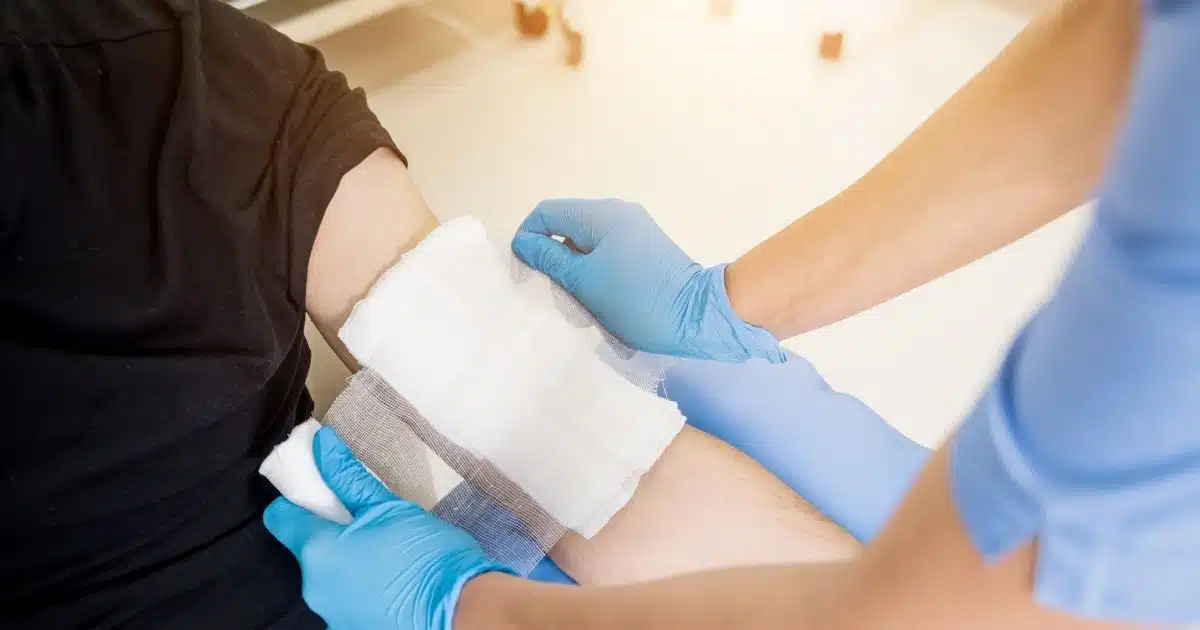
Some of the most serious workplace injuries involve employees being burned. The most common types of workplace burns are relatively minor, but others can cause extreme pain, skin and tissue damage, possible amputation, and even death.
Burns can occur in restaurants, factories, construction sites, or even commercial office buildings. Employers of all types have an obligation to protect their workers from workplace burns. When an employee is burned on the job, they should be covered under Workers’ Compensation.
Most Common Burn Injuries in the Workplace
Most people are familiar with burns caused by contact with a hot object, such as a stovetop or a household iron, but there are many different types of burns. In workplaces across many industries, there are a variety of dangerous substances, equipment, and situations that put workers in danger of being seriously hurt. Some common types of workplace burn injuries include:
- Thermal Burns: Burns that are caused by contact with a burning fire or an extremely hot surface are considered thermal burns. Other sources of thermal burns include hot water, hot oil, or steam. Thermal burns can cause damage when a person touches a hot object, is splashed with hot liquid, or comes into contact with an open flame.
- Electrical Burns: Electrical currents cause electrical burns. Contact with sources of electricity, such as outlets or electrical machinery, can result in electrical burns that cause damage to the contact site. In addition to these direct-contact burns, electricity also poses a risk of indirect contact, such as arcing. An arc burn can happen when the current passes into a person’s body and causes damage to the tissues at the contact site.
- Chemical Burns: Acids and other corrosive materials can cause chemical burns. Heavy-duty cleaners or solvents can be hazardous to workers who use them. Chemical burns cause harm to a person’s skin, but the fumes that often accompany these chemicals can also result in burns to the eyes or lungs.
Burn Injury Classification
Burn injuries are classified according to the severity of the damage to the skin:
- First-Degree Burns: First-degree burns are surface-level injuries that damage the epidermis, which is the skin’s top layer. These burns do not usually require medical attention.
- Second-Degree Burns: These burns extend a layer deeper, damaging the dermis, the layer just below the epidermis. These burns may call for a trip to the emergency room.
- Third-Degree Burns: Third-degree burns are the most serious. Third-degree burns affect every layer of the skin and extend into the tissues beneath. The damage caused by third-degree burns must be treated in a hospital. These serious burn injuries can cause severe pain and lasting damage.
Preventing Burn Injuries at Work
Employers should implement safety protocols to protect their employees from burn hazards in the workplace. Each industry and individual workplace will need to address its specific risks, but some recommendations include:
- Safety Protocols: Employers should establish protocols that directly address the specific dangers their workers face on the job. The safety practices that keep a restaurant worker from getting burned on a hot stove will not keep a firefighter safe from a room full of open flames. Employers should assess the burn hazards on the job site and develop plans to protect workers.
- Training: The most crucial factor that influences the success of a burn safety plan is its implementation. Among workers, this can only be achieved if staff are fully trained and constantly aware of potential burn hazards. Training is necessary, and not just when a worker first starts the job; training should be ongoing.
- Personal Protective Equipment (PPE): Employers should provide all necessary PPE to shield workers from dangerous burns. Gloves and other protective gear against heat and hazardous substances offer a layer of defense against burns for workers handling hot equipment or liquids. Specific tools, such as lifts or dollies, can help workers avoid manual contact, while splatter shields and other guards can prevent splash injuries.
- Safety Assessments: Employers need to maintain vigilance to prevent workplace burns. Safety inspections should be performed regularly to identify burn hazards, including physical dangers, and to assess safety protocols.
Workers at Risk of Severe Workplace Burn Injuries
Firefighters, restaurant workers, construction crews, car mechanics, and factory personnel are at high risk of suffering from a burn injury at work. Even employees whose jobs do not involve working directly with heat sources or dangerous chemicals can still be burned if a fire breaks out in the office, a damaged outlet creates an electrocution hazard, or a staff coffee machine spews hot liquid.
Rhoades & Morrow Assists Workers Suffering From Burn Injuries
If you were severely burned at work, you might be able to collect benefits from your employer’s Workers’ Compensation program. If you have been denied benefits or you are experiencing other problems, the work injury lawyers at Rhoades & Morrow can help protect your rights. Workplace burn injuries can be extremely severe and debilitating, and we can help you with your case. Complete our online form for a free consultation. We have offices located in Wilmington, Newark, Milford, and Lewes, serving clients in Middletown, Dover, Milford, Lewes, Rehoboth Beach, Elsmere, and Seaford.