
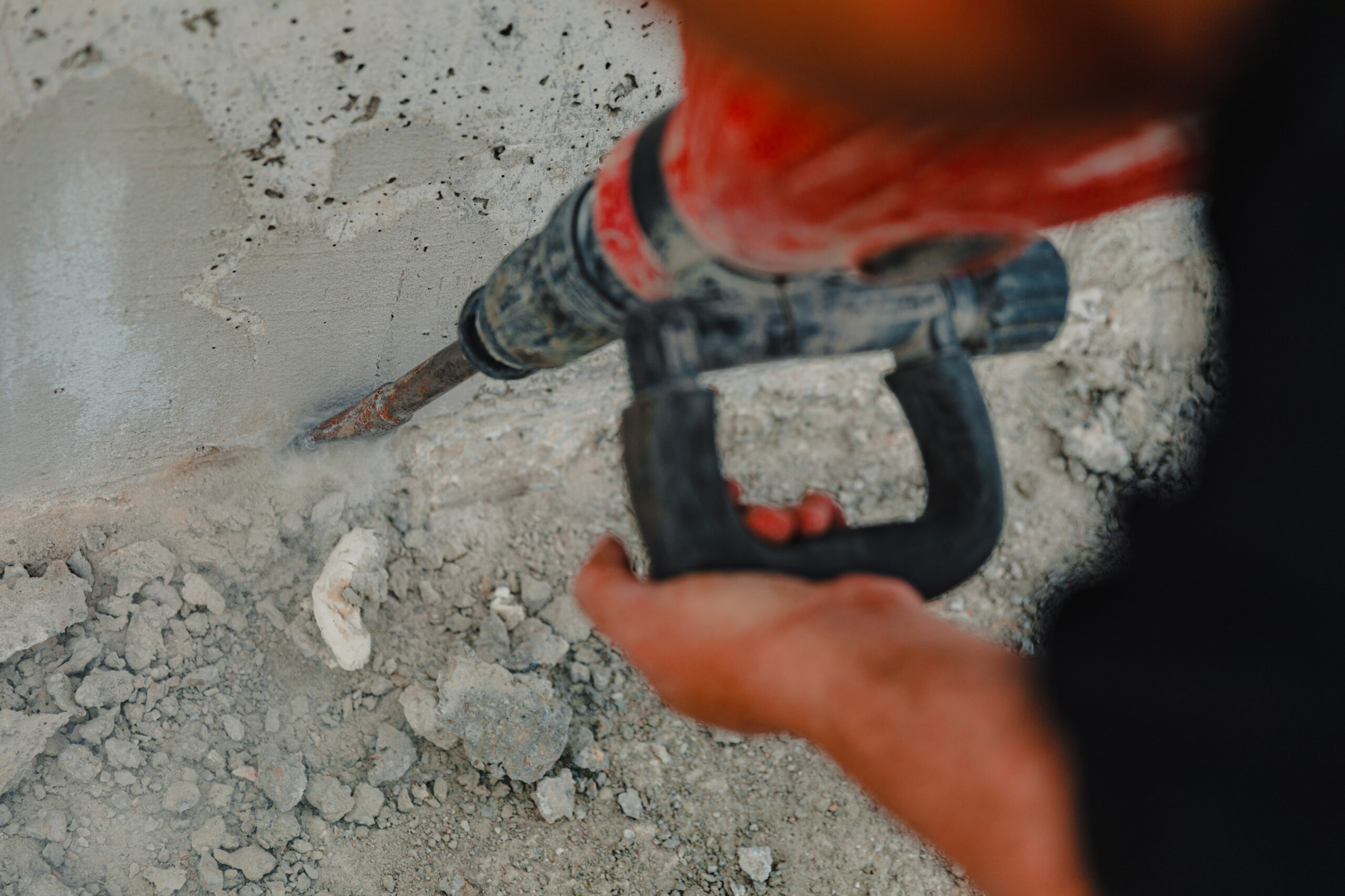
Hand-Arm Vibration Syndrome (HAVS), also known as Jackhammer Syndrome, is a neuromuscular disorder affecting the hands of construction, mining, forestry, and manufacturing workers who regularly use heavy power tools. According to the College of Science, Technology, Engineering, and Mathematics at Texas A & M University-Texarkana, HAVS affects nearly half of the two million American workers exposed to heavy power tools, such as jackhammers, grinders, riveters, drills, and chainsaws.
Symptoms and Prognosis
The first symptoms to appear are tingling and numbness in the fingers and hands. Many workers affected by HAVS believe the symptoms are temporary and continue to work with high-powered tools without seeking medical intervention. As time goes on, the disorder progresses, causing pain, blanching of the fingers, and loss of strength in the hands as damage to nerves and blood vessels increases. Once a worker’s fingers begin turning white, the disorder is irreversible.
In some cases, gangrene can develop and require amputation of the fingers or hands. Damage to nerves and blood vessels reduces blood flow and decreases sensitivity. Workers with advanced HAVS can lose feeling in their fingers and hands, which can lead to severe infection and gangrene. When the infection reaches the bone, amputation is the only way to stop the progression of the gangrene.
Medical intervention and physical therapy can reduce the damage caused by HAVS, but only in the very early stages of the disorder. Reducing exposure to high-powered tools is necessary to protect workers showing signs of HAVS. Failure to address damage from continuous exposure to intense vibrations will result in permanent disability.
Protecting Workers from HAVS
Employers are legally responsible for providing a safe working environment free of unnecessary hazards. For those in the construction and manufacturing industries, using power tools with lower-hand vibration mechanisms and reducing workers’ exposure to high-vibration equipment are essential for preventing HAVS. The American Society of Safety Engineers’ Professional Safety Journal and the Occupational Safety and Health Administration (OSHA) recommend the following safety practices to reduce the damage caused by high-vibration equipment:
- Ensure hands are kept warm to increase blood flow
- Keep a light grip on equipment
- Protect hands from cold exhaust air from pneumatic tools
- Rest the hands for 10 minutes per hour
- Use protective gloves to reduce the impact of vibrations on the fingers and hands
- Seek medical help as soon as symptoms appear
- Use damping techniques and vibration isolators
- Alternate tools during the workday
- Limit the number of continuous hours working with high-powered tools
- Provide proper training that includes recognizing the symptoms of HAVS and safe work practices
Construction and manufacturing employers can significantly reduce the number of HAVS victims by investing in low-vibration equipment. New technologies for jackhammers, riveters, chainsaws, and drills reduce vibration intensity on the hands and fingers.
Rhoades & Morrow Helps Injured Workers in Delaware with HAVS Syndrome
If you have been diagnosed with HAVS or sustained a work-related injury in Delaware, call a work injury lawyer at Rhoades & Morrow today. Contact us online to schedule a free consultation today. Located in Wilmington, Newark, and Milford, Delaware, we serve clients throughout the state, including Elsmere and Seaford.